 Counselling Psychology: Empowering Individuals Through Professional Guidance
Mental health is an essential component of overall wellbeing, yet many individuals struggle with emotional, social, and psychological challenges without seeking professional support. Counselling Psychology is a specialized branch of psychology dedicated to helping people navigate life’s difficulties, improve emotional health, and achieve personal growth. Through evidence-based interventions and compassionate guidance, counselling psychologists empower individuals to lead healthier, more fulfilling lives.
Counselling psychology focuses on promoting mental wellness rather than simply treating mental illness. It assists individuals in understanding their thoughts, emotions, and behaviors while equipping them with practical strategies to cope with stress, anxiety, depression, grief, relationship conflicts, career uncertainty, trauma, and life transitions. The goal is to enhance psychological resilience and enable people to make informed, healthy decisions.
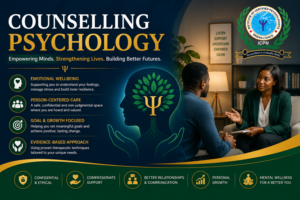
One of the defining characteristics of counselling psychology is its person-centered approach. Every individual has unique experiences, strengths, and challenges. Counselling psychologists create a safe, confidential, and non-judgmental environment where clients can openly express their concerns. By building trust and fostering collaboration, they help clients identify personal goals and develop effective solutions tailored to their specific circumstances.
Modern counselling psychology integrates various scientifically supported therapeutic approaches. These include Cognitive Behavioral Therapy (CBT), Person-Centered Therapy, Solution-Focused Brief Therapy, Mindfulness-Based interventions, Acceptance and Commitment Therapy (ACT), and Positive Psychology techniques. The selection of an appropriate intervention depends on the client’s needs, ensuring that treatment is both effective and personalized.
The applications of counselling psychology extend across numerous settings. In schools, counsellors help students manage academic pressure, improve emotional wellbeing, and make informed career choices. In healthcare facilities, counselling psychologists support patients coping with chronic illnesses, disability, and emotional distress. Organizations rely on counselling professionals to improve employee wellbeing, reduce workplace stress, resolve conflicts, and promote healthy organizational cultures. Families and communities also benefit from counselling services that strengthen relationships, enhance communication, and support conflict resolution.
Counselling psychology also plays a critical role in preventive mental healthcare. Early intervention helps individuals address emotional concerns before they develop into more severe psychological conditions. Public education, awareness campaigns, and community outreach programs conducted by counselling psychologists contribute significantly to reducing the stigma surrounding mental health and encouraging people to seek professional assistance when needed.
In today’s fast-paced and demanding society, emotional resilience has become more important than ever. Economic uncertainty, technological change, family responsibilities, and social pressures can affect psychological wellbeing. Counselling psychology provides individuals with the skills to manage these challenges constructively, improve self-awareness, strengthen interpersonal relationships, and maintain a healthy balance between personal and professional life.
Ultimately, counselling psychology is about empowering people to realize their potential and improve their quality of life. By combining scientific knowledge with empathy, ethical practice, and professional expertise, counselling psychologists help individuals overcome obstacles, build confidence, and create meaningful, lasting change. As awareness of mental health continues to grow, counselling psychology remains an indispensable profession in building healthier individuals, stronger families, and more resilient communities.
Prepared for the ICPN Blog
Institute of Certified Psychologists of Nigeria (ICPN)